


 pbsmc
pbsmcMiracles Happen Elsewhere
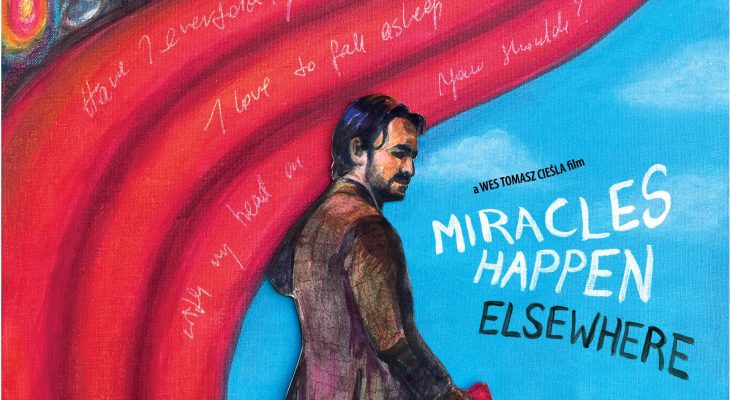
Miracles Happen Elsewhere
Movie Details
Filmmaker: Wes Ciesla
Genre: Drama
Runtime: 20m 35s
Trailer Length: 38s
Country: USA
Synopsis
In the vast landscape of cinema, there are films that serve as mere distractions, offering fleeting entertainment, and then there are those rare gems that burrow deep into your soul, leaving a lasting impact. “Miracles Happen Elsewhere,” a 20-minute drama from the USA, falls squarely into the latter category. This short film, directed with nuanced sensitivity, tells a poignant story that explores themes of heartbreak, self-discovery, and the redemptive power of creativity.
At its core, “Miracles Happen Elsewhere” follows the journey of Paweł, a man grappling with the aftermath of a painful breakup. Seeking solace in his work, Paweł immerses himself in the world of storytelling, crafting a narrative that serves as both a form of escapism and a mirror to his own emotional turmoil. The narrative he weaves features an idealized version of himself, a character who embarks on a journey of self-discovery and healing—a parallel to Paweł’s own inner quest for understanding and acceptance.
As the film unfolds, we witness Paweł’s dual existence—caught between the harsh realities of his day-to-day life and the comforting embrace of his fictional creation. Through this juxtaposition, “Miracles Happen Elsewhere” delves into the complex interplay between reality and fantasy, inviting viewers to ponder the ways in which storytelling can serve as a transformative tool for processing grief and finding inner peace.
The themes of identity, loss, and resilience are delicately woven into the fabric of the film, resonating with universal truths that speak to the human experience. Through Paweł’s journey, we are reminded of the cathartic power of art and the ways in which creativity can act as a beacon of hope in the darkest of times. The genre of drama provides the perfect canvas for exploring these emotional landscapes, allowing for moments of introspection and vulnerability that tug at the heartstrings.
What sets “Miracles Happen Elsewhere” apart is its ability to navigate the complexities of the human psyche with grace and authenticity. The film eschews melodrama in favor of quiet introspection, allowing the emotional beats to land with subtlety and nuance. This understated approach lends the narrative a sense of raw honesty, inviting viewers to connect with Paweł on a deeply personal level.
From a technical standpoint, the film’s concise runtime of 20 minutes and 35 seconds is a testament to the director’s skill in economy of storytelling. Every frame is imbued with meaning, every line of dialogue laden with emotion. The cinematography is understated yet evocative, capturing the quiet beauty of Paweł’s world with a painterly eye. The editing is precise, moving seamlessly between past and present, blurring the lines between reality and fiction in a way that mirrors Paweł’s own internal struggle.
Viewers drawn to intimate character studies and emotionally resonant storytelling will find much to love in “Miracles Happen Elsewhere.” This is a film that speaks to the universal human experience of love and loss, of hope and healing. Through Paweł’s journey, we are reminded of the transformative power of storytelling, and the ways in which art can act as a balm for the wounded soul.
In conclusion, “Miracles Happen Elsewhere” is a gem of a film that shines brightly in the crowded landscape of short dramas. With its heartfelt performances, nuanced direction, and poignant themes, this is a cinematic experience that lingers long after the credits roll. So, if you find yourself in need of a heartfelt story that speaks to the resilience of the human spirit, look no further than “Miracles Happen Elsewhere.” It’s a testament to the power of storytelling to heal, to inspire, and to remind us that, indeed, miracles can happen when we least expect them.
Rating
★★★★☆ 4.2 out of 5 stars