


 pbsmc
pbsmcCumha
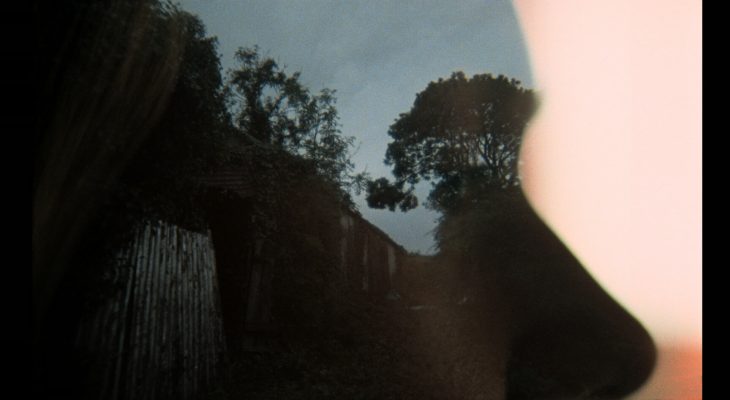
Cumha
Movie Details
Filmmaker: Stephen Byrne
Genre: Experimental
Runtime: 6m 16s
Trailer Length: 59s
Country: IRL
Synopsis
In the vast realm of experimental cinema, there exists a gem that captivates viewers with its enigmatic beauty and profound exploration of language, land, and identity. Enter “Cumha,” a poetic docudrama from the mystical lands of Ireland that promises a six-minute and sixteen-second journey unlike any other. As we delve into the depths of this experimental masterpiece, we are greeted with a tapestry of emotions, visuals, and ideas that challenge our perception of storytelling and leave an indelible mark on our cinematic souls.
The opening moments of “Cumha” are akin to stepping into a dream – a dream where words dance on the wind, where the earth whispers ancient secrets, and where identity is as fluid as the shifting tides. We are introduced to a world where language is not merely a means of communication but a living, breathing entity that weaves itself into the very fabric of existence. Through a series of evocative images and haunting soundscapes, the film invites us to contemplate the interconnectedness of words, landscapes, and the essence of who we are.
At its core, “Cumha” is a meditative exploration of the human experience, framed within the context of Ireland’s rich cultural tapestry. The film seamlessly transitions between moments of introspection and outward observation, blurring the lines between the personal and the universal. Through its poetic imagery and lyrical narration, “Cumha” invites us to ponder the ways in which our surroundings shape our sense of self and belonging.
Themes of nostalgia, loss, and longing permeate the film, underscoring the bittersweet reality of existence. The landscapes of Ireland serve as both a backdrop and a character in their own right, their rugged beauty mirroring the complexities of the human spirit. As we journey through the film’s fleeting runtime, we are confronted with questions of heritage, memory, and the ever-present pull of the past.
In terms of genre, “Cumha” defies easy categorization, existing in a realm that is at once experimental, poetic, and documentary. It blurs the boundaries between fiction and reality, inviting viewers to surrender to its enigmatic spell and embrace the unknown. The film’s non-linear narrative structure adds to its dreamlike quality, inviting interpretation and reflection long after the final frame has faded to black.
What sets “Cumha” apart from its peers is its unapologetic embrace of ambiguity and its willingness to eschew traditional storytelling conventions. Rather than spoon-feeding viewers a neatly packaged narrative, the film invites active engagement and interpretation, challenging us to make sense of its enigmatic tapestry of images and words. In a world oversaturated with cookie-cutter blockbusters and formulaic plots, “Cumha” stands as a beacon of artistic integrity and creative daring.
From a technical standpoint, “Cumha” is a masterclass in visual storytelling. Every frame is meticulously composed, every sound meticulously crafted to evoke a sense of wonder and contemplation. The film’s use of natural light and shadow creates a hauntingly beautiful aesthetic, while its sparse but evocative dialogue lingers in the mind like a half-remembered dream. Despite its brief runtime, “Cumha” manages to pack a visual and emotional punch that resonates long after the credits roll.
Viewers who seek a cinematic experience that transcends the ordinary and challenges the boundaries of storytelling will find much to savor in “Cumha.” This is not a film to be passively consumed but rather savored, pondered, and revisited time and time again. Its poetic sensibility and profound philosophical underpinnings make it a rare gem in the world of cinema, a work of art that rewards patience and contemplation.
In conclusion, “Cumha” is a cinematic poem that speaks to the soul, a hauntingly beautiful meditation on language, land, and identity that lingers in the memory like a half-forgotten dream. Through its evocative imagery, lyrical narration, and profound exploration of the human experience, the film invites us to contemplate the mysteries of existence and the interconnectedness of all things. For viewers who crave a cinematic experience that transcends the ordinary and challenges the boundaries of storytelling, “Cumha” is a must-see masterpiece that will leave an indelible mark on the heart and mind.
Rating
★★★★☆ 4.2 out of 5 stars