


 pbsmc
pbsmcWater
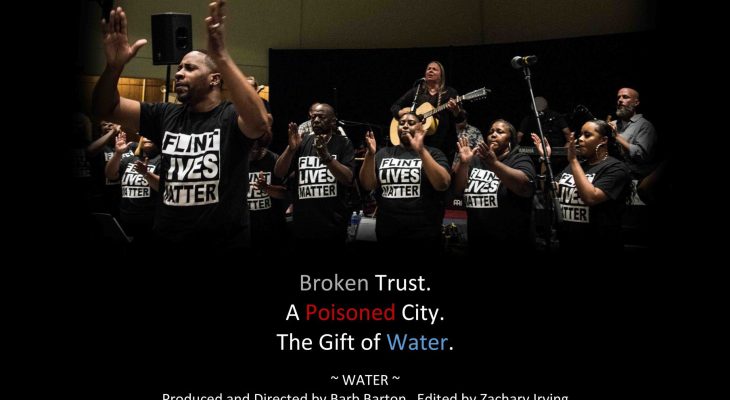
Water
Movie Details
Filmmaker: Barb Barton
Genre: Documentary
Runtime: 9m 26s
Trailer Length: 1m 5s
Country: USA
Synopsis
**Title: Water: A Poignant Dive into the Flint Water Crisis**
**Introduction:**
Imagine turning on your tap, expecting clean, safe water to flow, only to be met with a crisis that shakes the very foundations of your trust in the system. This is the stark reality faced by the residents of Flint, Michigan, as portrayed in the short documentary “Water.” In just under 10 minutes, this film manages to encapsulate the raw emotions, the struggles, and the resilience of a community grappling with a fundamental need turned into a nightmare.
**Expanded Plot Description:**
“Water” delves into the heart of the Flint water crisis, a tragedy that unfolded when the city’s water source was switched to the Flint River in 2014, leading to a series of events that exposed residents to dangerously high levels of lead. Through intimate interviews with affected individuals, the film captures the personal toll of this man-made disaster, revealing the fear, frustration, and anger that have become an inseparable part of daily life in Flint.
As we follow the residents’ journeys, we witness their fight for justice, their relentless advocacy for clean water, and their unwavering spirit in the face of adversity. The film sheds light on the systemic failures, the neglect, and the profound impact of environmental injustice on a community that has been abandoned by those meant to protect them.
**Discussion of Themes and Genre Elements:**
“Water” belongs to the documentary genre, a powerful medium that often serves as a voice for the marginalized and a catalyst for social change. Through its exploration of the Flint water crisis, the film touches on themes of environmental justice, government accountability, community resilience, and the human cost of bureaucratic failures. It serves as a poignant reminder of the consequences when basic human rights are compromised for the sake of cost-cutting and negligence.
The documentary genre, with its commitment to truth-telling and authenticity, allows “Water” to present a raw and unfiltered perspective on the crisis, capturing the emotional gravity of the situation without sensationalism or manipulation. It invites viewers to confront uncomfortable truths, to empathize with those affected, and to question the systems that perpetuate such injustices.
**What Makes This Film Unique or Noteworthy:**
What sets “Water” apart is its ability to distill the complexities of a large-scale crisis into a concise yet impactful narrative. In just under 10 minutes, the film manages to convey the depth of human suffering, the urgency of the situation, and the resilience of a community fighting for its survival. By focusing on personal stories and intimate moments, “Water” creates a connection that transcends statistics and headlines, allowing viewers to witness the human face of tragedy.
Moreover, the film’s focus on the Flint water crisis, a widely publicized event that continues to have repercussions to this day, makes it both timely and relevant. It serves as a wake-up call, a call to action, and a reminder of the enduring legacy of environmental disasters that disproportionately affect vulnerable communities.
**Technical Aspects Worth Mentioning:**
Given its short runtime, “Water” relies on concise storytelling, evocative visuals, and impactful editing to convey its message effectively. The use of intimate interviews, archival footage, and atmospheric sound design creates a sense of immediacy and immersion, drawing viewers into the world of the residents of Flint. The film’s pacing is tight, its narrative focused, and its visual composition striking, making every minute count in capturing the emotional weight of the crisis.
**Why Viewers Might Want to Watch This Film:**
“Water” is not just a documentary about a specific crisis; it is a reflection of larger systemic issues that plague societies worldwide. By watching this film, viewers have the opportunity to gain insight into the human cost of environmental negligence, to empathize with those affected, and to be inspired by the resilience and determination of a community fighting for justice.
Moreover, “Water” serves as a call to action, urging viewers to question the systems in place, to demand accountability from those in power, and to support communities facing similar challenges. It is a reminder of the power of storytelling to effect change, to spark conversations, and to mobilize collective action in the face of injustice.
**Compelling Conclusion:**
In conclusion, “Water” stands as a testament to the enduring spirit of those who refuse to be silenced, who refuse to accept the unacceptable, and who refuse to let a crisis define them. It is a film that speaks truth to power, that amplifies voices often marginalized, and that demands justice for those who have been wronged.
As we reflect on the impact of the Flint water crisis and its reverberations across communities, let us not forget the lessons learned, the stories shared, and the resilience shown in the face of adversity. “Water” serves as a stark reminder of the urgent need for change, for accountability, and for a commitment to ensuring that clean, safe water remains a fundamental right for all.
Rating
★★★★☆ 4.2 out of 5 stars