

 pbsmc
pbsmcCrowns
Crowns
Movie Details
Filmmaker: Gian Smith
Genre: Experimental
Runtime: 52s
Trailer Length: 17s
Country: USA
Synopsis
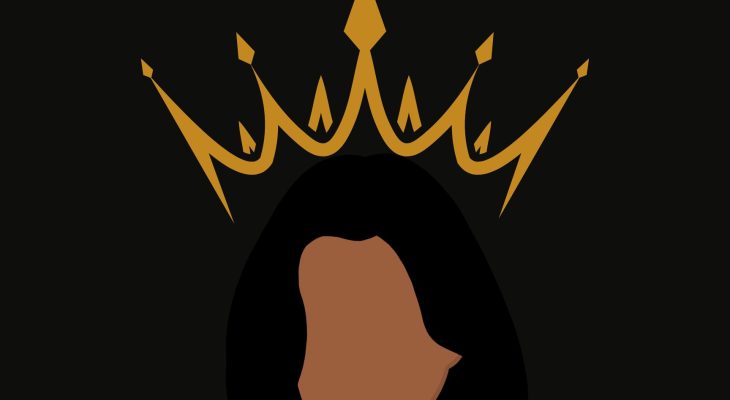
In the realm of experimental cinema, where boundaries are pushed and conventions are shattered, “Crowns” emerges as a brief but impactful exploration of the intersection between identity, culture, and performance. Clocking in at just 52 seconds, this avant-garde film from the USA delves into the symbolism of crowns and the complexities surrounding black hair. Get ready to delve into a world where visuals speak louder than words and where every frame is a canvas for artistic expression.
Plot Description:
In “Crowns,” the viewer is presented with a series of mesmerizing visuals that center around the concept of crowns and the significance of black hair. Through a series of rapidly shifting images, the film explores the multifaceted nature of these symbols, weaving together themes of power, heritage, and self-expression. As the audience is taken on a whirlwind journey through a kaleidoscope of colors and textures, they are invited to reflect on the ways in which these symbols shape our perceptions of beauty, strength, and identity.
Themes and Genre Elements:
At its core, “Crowns” is a meditation on the ways in which external symbols can both reflect and shape our innermost selves. By focusing on the symbolism of crowns and black hair, the film delves into questions of cultural heritage, personal identity, and societal expectations. Through its experimental approach, “Crowns” challenges viewers to reconsider their preconceived notions of beauty and power, inviting them to engage with the visuals on a deeper, more introspective level.
As an experimental film, “Crowns” defies traditional narrative structures and instead relies on visual and auditory cues to convey its message. The genre allows for a freedom of expression that is not bound by the constraints of linear storytelling, giving the filmmakers the opportunity to explore themes and ideas in a more abstract and symbolic manner. By pushing the boundaries of conventional filmmaking, “Crowns” invites viewers to embrace ambiguity and complexity, encouraging them to interpret the visuals in a way that resonates with their own experiences and perspectives.
Unique Aspects:
What sets “Crowns” apart from other experimental films is its brevity and intensity. In just 52 seconds, the film manages to pack a powerful punch, immersing the viewer in a sensory experience that is both visually stunning and emotionally resonant. The rapid-fire editing and striking visuals create a sense of urgency and immediacy, drawing the audience into the world of the film and leaving a lasting impression long after the credits roll.
Technical Aspects:
Given its short runtime, “Crowns” makes effective use of visual and auditory techniques to convey its message. The cinematography is dynamic and engaging, with each frame carefully composed to evoke a specific mood or emotion. The use of color and texture is particularly striking, creating a rich visual tapestry that is both aesthetically pleasing and thematically relevant. In addition, the sound design plays a crucial role in enhancing the overall atmosphere of the film, immersing the viewer in a sensory experience that is both captivating and thought-provoking.
Why Watch “Crowns”:
For viewers looking to expand their cinematic horizons and explore the artistic possibilities of film, “Crowns” offers a unique and compelling experience. By eschewing traditional storytelling conventions in favor of a more abstract and experimental approach, the film challenges viewers to engage with its themes and visuals in a way that is both intellectually stimulating and emotionally resonant. Whether you’re a seasoned cinephile or a casual moviegoer looking for something different, “Crowns” promises to captivate and inspire with its bold creativity and innovative storytelling.
In Conclusion:
In the world of experimental cinema, where creativity knows no bounds and innovation reigns supreme, “Crowns” stands out as a shining example of artistic vision and cinematic prowess. Through its exploration of crowns and black hair, the film invites viewers to reflect on the complexities of identity, culture, and self-expression, challenging them to see the world through a new and thought-provoking lens. With its striking visuals, evocative sound design, and powerful themes, “Crowns” is a must-see for anyone who appreciates the transformative power of film and the boundless possibilities of artistic expression.
Rating
★★★★☆ 4.2 out of 5 stars